
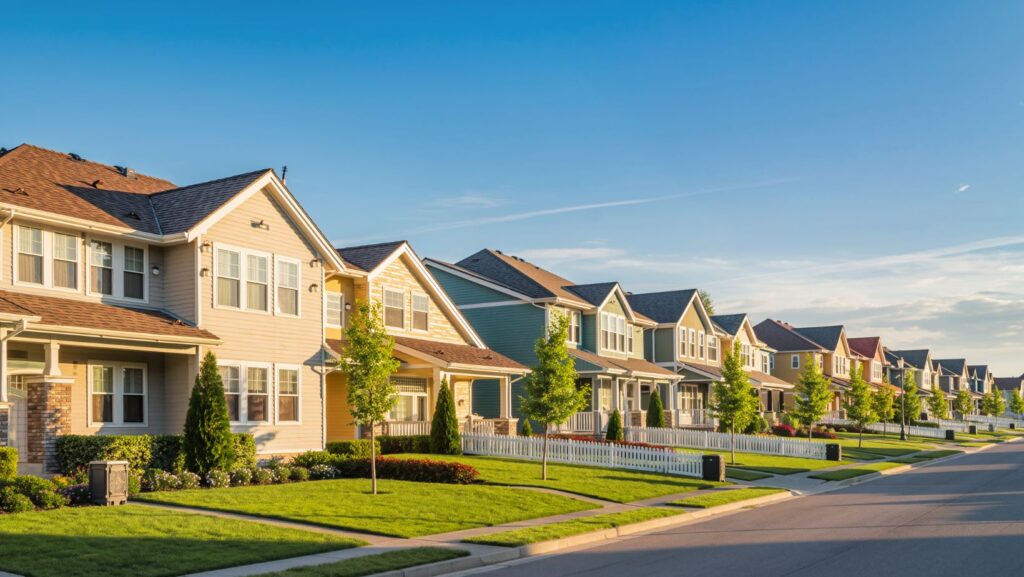
Imagine walking into a stunning, fully updated house that checks every single box on your wishlist. The kitchen is perfect, the layout is spacious, and the price is right. Now imagine moving in, only to realize the street noise keeps you awake, there are no sidewalks for your morning run, and the nearest coffee shop is a twenty-minute drive away.
Buying a beautiful house in the wrong area will ultimately lead to frustration and regret. You can always renovate a kitchen or update a bathroom, but you cannot change the geographic location of your lot. The surrounding streets dictate your daily commute, your social life, and your overall well-being.
Finding your forever fit requires looking past the property line and evaluating the tiny neighborhood traits that shape your daily routine. By shifting your focus from the house itself to the community around it, you secure both a happier lifestyle and a stronger financial investment.
Why the Neighborhood Environment Matters Most
In Greenwood, Seattle, your neighborhood environment often matters more than the physical house for long-term happiness because it serves as the foundation for your daily life. A house provides shelter, but the neighborhood provides community, convenience, and culture. When your surroundings align with your habits, life feels easier and more enjoyable.
Modern buyers understand this reality. According to Home Warranty Advocates, 61% of buyers say a good neighborhood is their top priority, placing location before specific home features. They know that a sprawling backyard means very little if the area lacks a sense of community or forces them into a miserable daily commute.
When you are relocating to a major metro area, looking at the city as a whole can be incredibly overwhelming. You might hear recommendations for broad regions or massive zip codes, but those large areas lack specific character. One side of a city can feel entirely different from the other.
The secret to finding your forever fit is to zoom in and explore homes for sale in Greenwood, Seattle, matching your daily routine to the exact streets and communities that support your lifestyle. Narrowing your focus helps you evaluate the true, ground-level experience of living in a specific spot.
Small Neighborhood Details That Add Up Over Time
Sidewalks, Bike Lanes, and Daily Infrastructure
Small infrastructure details impact daily happiness by removing friction from your routine. If you love walking your dog but have to dodge traffic because your street lacks sidewalks, a joyful activity quickly becomes stressful. Safe pedestrian pathways encourage you to get outside, meet your neighbors, and stay active.
Consider how hyper-local these details can be. You might hear advice from a local resident suggesting that you need to stay south of 91st street if you want consistent sidewalks. That single, minor detail completely changes the safety and feel of a morning commute or an evening stroll. A few blocks can mean the difference between a walkable haven and a car-dependent grid.
Accessible first-floor retail also creates an authentic, walkable community feel. Having a local bakery, a corner grocery store, or a neighborhood pub within a few blocks gives an area a vibrant pulse. These ground-level businesses encourage spontaneous social interactions and reduce your reliance on a vehicle for basic daily needs.
Green Spaces and Mature Tree Canopies
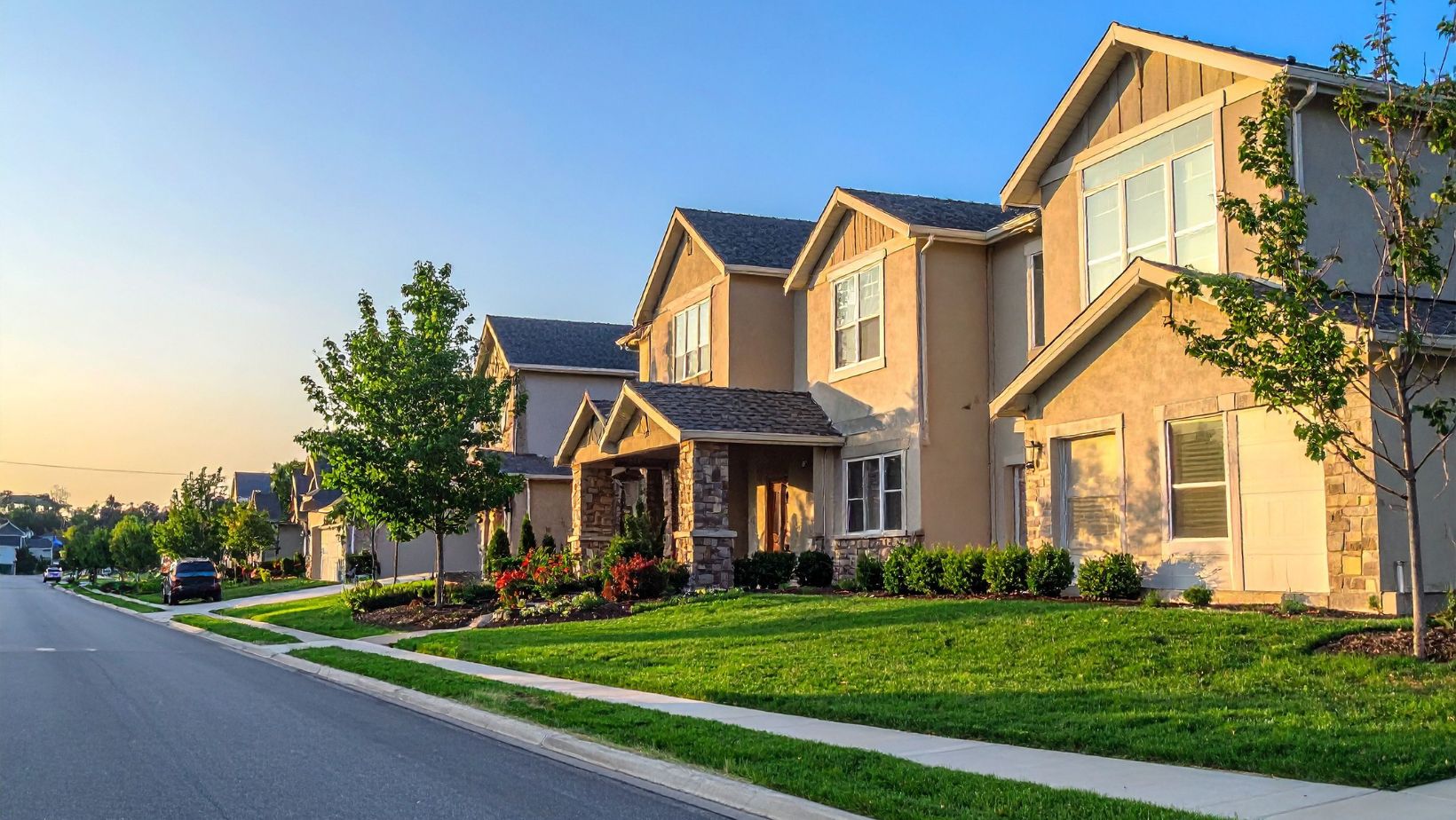
Community green spaces and micro-parks influence both your mental well-being and your property equity. Small pockets of nature provide a necessary, quiet break from dense urban living. Stepping into a tree-lined square or resting on a park bench offers instant stress relief and a place to decompress after a long workday.
Beyond the mental health benefits, mature tree canopies and local parks serve as powerful economic drivers for the surrounding homes. Buyers actively seek out properties that offer immediate access to nature.
According to a Wharton School study, “Having a park within a quarter mile can increase the value of a house by 10 percent.”
This makes Greenwood, Seattle, a neighborhood with nature pockets, an incredible dual benefit. You get the daily lifestyle advantage of a beautiful environment while enjoying a steady, long-term boost to your home’s equity.
Hidden Red Flags and Missing Details
During a busy home tour, it is incredibly easy to get distracted by staging and aesthetic upgrades. Buyers often overlook hidden neighborhood red flags or missing details that will eventually cause daily headaches. You must force yourself to look out the window and evaluate the street.
Keep a close eye out for missing streetlights, a lack of street parking, or poor pedestrian crossings. A beautiful home loses its charm if your friends can never find parking when they visit. Similarly, a busy road without a safe crosswalk creates a daily barrier for families and pets.
You should also prioritize visiting the neighborhood at different times of the day to observe traffic patterns and noise levels. A street that feels perfectly serene at ten in the morning on a Tuesday might be overwhelmed by commuter cut-through traffic at five in the evening. Spend time sitting in your car with the windows down to get a true read on the local environment.
How to Find Your “Right Fit” Neighborhood
Identifying the “right fit” micro-neighborhood for your specific lifestyle preferences requires intentional planning before you ever attend an open house. You need to clarify exactly what makes you happy on a daily basis.
Start by creating a checklist of your daily habits. Track your coffee shop runs, dog walking routes, public transit needs, and nightlife preferences for a full week. This exercise will reveal what amenities are truly non-negotiable for your routine.
Next, seek out authentic, ground-level insights. Read direct quotes and surveys from local residents to get a realistic view of what living there is actually like. Walk the neighborhood on a weekend and strike up conversations at a local cafe to ask people what they love and hate about the area.
To help you categorize your needs, use the table below to match common lifestyle profiles against ideal neighborhood traits.
| Lifestyle Profile | Priority Habits & Needs | Ideal Micro-Neighborhood Traits |
|---|---|---|
| The Commuter | Quick transit access, grabbing coffee on the go, predictable travel times. | Proximity to train lines, dedicated bike lanes, easily accessible highway ramps. |
| The Homebody | Quiet evenings, walking the dog, community safety, reading outdoors. | Mature tree canopies, cul-de-sacs, nearby micro-parks, well-lit sidewalks. |
| The Socialite | Nightlife, dining out, frequent rideshare use, hosting friends. | First-floor retail, dense restaurant options, ample visitor street parking. |
Use these profiles as a baseline to define your own parameters. When you know exactly what you are looking for, you can confidently rule out areas that look good on paper but fail to support your actual life.
Conclusion
Small neighborhood details are the undeniable foundation of long-term real estate value and personal happiness. A house is simply a structure, but the community around it is where your life actually happens.
By prioritizing daily infrastructure, understanding the mental and financial value of green spaces, and recognizing the strong return on investment from local amenities, you position yourself for a successful purchase. Walkability, safe streets, and local commerce protect your property value while enriching your daily routine.
As you navigate the Seattle housing market, remember to look past the property line. Take the time to choose a community that fits your everyday life perfectly. When the neighborhood supports your habits, your new house will truly feel like a forever fit.